 020 3744 3778
Guide to Designing a Playful and Secure Kids' Garden
Posted on 30/08/2025
Guide to Designing a Playful and Secure Kids' Garden
A well-designed kids' garden is more than just a piece of your outdoor space--it's a vibrant, imaginative haven where children can explore, learn, and play safely. As families become increasingly aware of the importance of outdoor play in child development, creating a playful and secure garden for kids has become a top priority for many parents. In this comprehensive guide, you'll discover effective strategies, creative ideas, and essential safety tips for designing the ultimate children's outdoor space.
Why Design a Kid-Friendly Garden?
From encouraging physical activity and fostering curiosity to boosting mental well-being, a child-centric garden offers numerous benefits:
- Promotes Active Play: Kids are naturally energetic, and a child-safe backyard lets them run, jump, and climb freely.
- Stimulates Creativity: A diverse, interactive garden sparks imagination and role-play.
- Supports Learning: Involving kids in gardening teaches biology, responsibility, and patience.
- Enhances Family Bonding: A secure play area encourages time outdoors together.
With these benefits in mind, let's explore how to design a playful and secure kids' garden tailored for fun and safety.
Key Elements of Playful and Secure Kids' Gardens
1. Safety First: Creating a Secure Environment
When it comes to children, safety is paramount. A safe garden for children begins with carefully surveying your space.
- Fencing and Boundaries: Install sturdy fences to define play zones and prevent kids from wandering off. Opt for smooth edges and non-toxic materials.
- Hazard Identification: Remove sharp tools, poisonous plants, and dangerous objects. Store chemicals, fertilizers, and gardening equipment out of reach.
- Surfaces: Choose soft, impact-absorbing materials like mulch, sand, or play-grade rubber mats to cushion falls below climbing frames or swings.
- Shade: Protect children from harmful UV rays using natural shade from trees or install canopies and umbrellas.
- Pest Control: Avoid harsh pesticides; opt for natural pest controls to keep your garden toxin-free.
2. Planning for Age-Appropriate Play
A well-structured kids' play garden caters to multiple ages. Factor in your child's age and stage when planning:
- For Toddlers: Incorporate sensory areas with soft textures, edible plants (like strawberries), and easy-access paths for crawling or toddling.
- For Preschoolers: Add small climbing structures, playhouses, or sand pits for creative exploration.
- For Older Kids: Consider treehouses, obstacle courses, sports areas, and places for more challenging play.
3. Themed Play Zones
Organize your garden into themed zones for imaginative, multi-purpose play. Examples include:
- Nature Exploration Zone: Raise bug hotels, bird feeders, and butterfly-friendly plant areas.
- Creative Play Zone: Add chalkboard walls, outdoor stages, and loose parts like logs and pebbles for building.
- Active Play Zone: Create climbing frames, slides, or a mini obstacle course.
- Relaxation Zone: Set up hammocks, soft mats, or reading nooks under shade trees.
Best Plants and Features for Children's Gardens
1. Choosing Child-Safe Plants
Selecting the right plants keeps your children's garden safe and enjoyable. Look for:
- Edible Treats: Grow simple crops such as strawberries, snap peas, cherry tomatoes, or carrots--kids love harvesting and tasting the fruits of their labor.
- Sensory Plants: Integrate soft, touchable varieties like lamb's ear, lavender, and mint.
- Non-Toxic Selections: Avoid toxic species such as foxgloves, oleander, nightshade, and daffodils. Always research before planting.
- Fun Flowers: Sunflowers, nasturtiums, and marigolds are vibrant and child-friendly.
2. Adding Water Features--Safely
Water features are attractive but require special precautions in a secure kids' garden:
- Shallow Splash Zones: Create pebble or shallow streamlets for sensory play--always supervise any water play.
- Water Tables: Consider raised water tables rather than unsupervised ponds.
- Fountain Safety: Cover any standing water, and install safety grills over small ponds if present.
3. Hardscaping and Paths
Integrate meandering paths made from non-slip paving stones, mulch, or rubber mats. Paths help children explore while keeping feet clean and minimizing plant damage. Use curved routes for a more natural, adventurous feel.
DIY Projects for a Playful Garden
A playful garden design doesn't have to be costly or complicated. Try these DIY additions for extra fun:
- Teepees or Play Tents: Use bamboo poles and canvas for quick, shady hideouts.
- Miniature Fairy Garden: Let kids arrange small figures, pebbles, and moss in planters or corners.
- Mud Kitchen: Repurpose old sinks, pots, and utensils for creative outdoor "cooking."
- Tree Swings: Fit sturdy branches with swings--always inspect weight limits and safety first.
- Edible Maze: Plant tall sunflowers or corn in a pattern for an ever-changing maze.
Encouraging Eco-Friendly Play
Teaching environmental stewardship from an early age benefits the next generation. Foster an eco-conscious garden for children by:
- Using Recycled Materials: Create planters from old tires, bottles, or wooden pallets.
- Composting: Set up a child-friendly compost bin to demonstrate nature's recycling process.
- Wildlife Habitats: Attract butterflies, bees, and birds with native flowering plants and birdhouses.
- Rainwater Harvesting: Collect roof runoff in barrels for watering plants--an opportunity to teach about water conservation.
Maintenance and Ongoing Garden Safety
1. Regular Checks and Clean-Ups
Maintaining a secure and playful kids' garden requires ongoing effort. Schedule regular inspections to:
- Check for broken toys, sharp edges, or damaged fences.
- Remove fallen twigs, rocks, or tripping hazards from play areas.
- Monitor plant overgrowth or the emergence of hazardous weeds.
- Rake loose surfacing materials like mulch or sand back into place.
2. Inclusive Design Tips
A truly child-friendly garden welcomes children of all abilities.
- Install wheelchair- or stroller-accessible paths with smooth, wide surfaces.
- Include raised planter beds for accessible gardening opportunities.
- Add sensory details for visually or physically impaired children using sound, scent, and texture-rich plants and materials.
Setting Garden Rules and Offering Supervision
No matter how careful your design, active supervision remains vital. Set clear rules for outdoor play safety:
- Explain boundaries, prohibited zones, and respectful plant handling.
- Supervise younger children closely, especially near water or climbing structures.
- Encourage kids to tidy toys and tools after use to prevent accidents.
Combine your secure garden design with age-appropriate guidance for best results.
Frequently Asked Questions About Kids' Garden Design
What are the best garden surfaces for children?
Safe options include mulch, wood chips, play-grade rubber, sand, or well-maintained grass. Avoid concrete or gravel, which can cause injury.
How can I involve my child in the design?
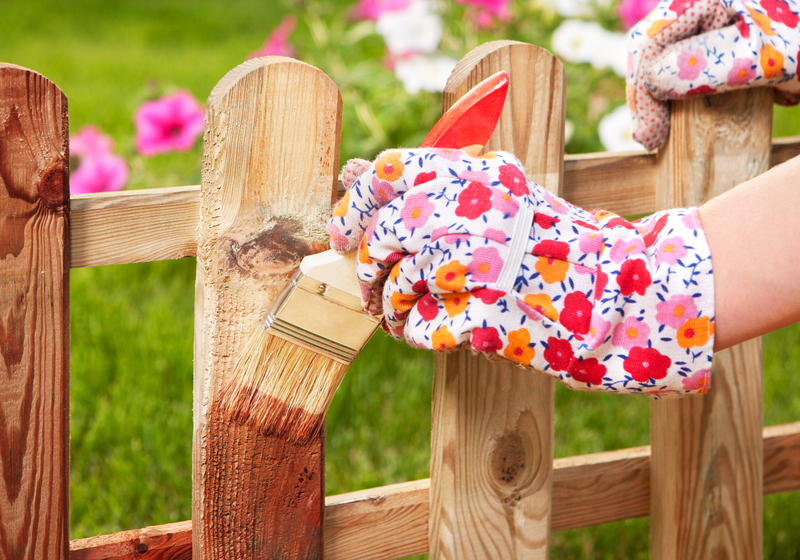
Ask what features or plants they'd enjoy. Let them help paint planters, select seeds, or build small garden projects. Giving ownership boosts their sense of pride and responsibility.
What's the safest way to include water in a kids' garden?
Use supervised water tables or covered fountains. Avoid deep ponds or uncovered water sources. If you do have a pond, install a secure grill or mesh cover.
How can I make the garden climate-appropriate and usable year-round?
Add shade sails for summer, windbreaks with hedging, and ensure good drainage for rainy weather. Choose plants adapted to your region's climate.
Inspiring Examples of Playful Kids' Gardens
Take inspiration from a few innovative kids' gardens worldwide:
- The Chelsea Children's Garden (UK): An interactive space that combines edible beds, willow tunnels, and musical play panels.
- Public Sensory Gardens: Many city parks now offer areas designed with water, sand, and sound features to stimulate all senses.
- Schoolyard Gardens: Living classrooms where kids learn science hands-on growing flowers and vegetables.
Conclusion: Your Blueprint for a Fun and Safe Kids' Garden
Designing a playful and secure children's garden is a rewarding investment in your child's growth and happiness. By focusing on safety, creativity, and eco-friendliness, you create an outdoor sanctuary that will provide years of enjoyment and meaningful learning experiences. Always blend vivid imagination with practical safety--and let your garden be an ever-evolving playground for curiosity and joy!
Whether you're starting from scratch or refreshing a small corner, follow this guide to designing a playful and secure kids' garden, adapt ideas to your own space, and--most importantly--involve your children in the journey. Soon, your backyard will transform into a lush, safe, and laughter-filled adventureland for the whole family.
Latest Posts
Unlock the potential of your backyard with a herb garden
Transform Your Garden with 3 Powerful Weed Control Techniques
Creative Hedge Trimming: Artistic Shapes and Precision Techniques