 020 3744 3778
The Art of Growing Plants in Containers
Posted on 15/06/2025
The Art of Growing Plants in Containers: A Comprehensive Guide
Welcome to the vibrant world of container gardening, where anyone, from beginners to seasoned horticulturalists, can master the art of growing plants in containers. Whether you're limited by space, looking to add splashes of color to patios, or hoping to cultivate fresh herbs on a windowsill, this all-inclusive guide will walk you through the best practices, latest trends, and proven techniques for thriving container plants.
Why Choose Container Gardening?
The surge in urban living and shrinking garden spaces has made container plant gardening an increasingly popular choice. Apart from being convenient and versatile, growing plants in containers offers unique advantages:
- Space Optimization: Perfect for balconies, rooftops, porches, and even indoor settings.
- Mobility: Easily move plants to optimize light, shelter them, or refresh your arrangement.
- Pest and Disease Control: Isolating plants reduces the risk of rapid spread.
- Creative Freedom: Experiment with combinations of colors, heights, and types.
- Accessibility: Ideal for elderly or disabled gardeners due to adjustable height and placement.
Choosing the Right Containers
Material Matters
The success of container grown plants starts with selecting suitable pots. Common options include:
- Terracotta: Classic, breathable, but can dry out quickly.
- Plastic: Lightweight, retains moisture, available in many sizes.
- Ceramic: Attractive, but may be heavy and costly.
- Wood: Good insulator but needs lining to prevent rot.
- Metal: Stylish, but conduct heat and may need insulation.
- Fabric Grow Bags: Modern, breathable, and easy to store.
Size and Drainage
The ideal container must:
- Match plant size: Roots need room to expand; under-sized pots restrict growth.
- Provide drainage holes: Essential to prevent root rot; never skip!
- Accommodate intended display: From single statement plants to lush mixed arrangements.
Best Plants for Container Growing
Almost any plant can thrive in a pot with the right care. From herbs and edibles to flowering beauties and evergreens, your options in the container gardening universe are vast:
Vegetables and Herbs
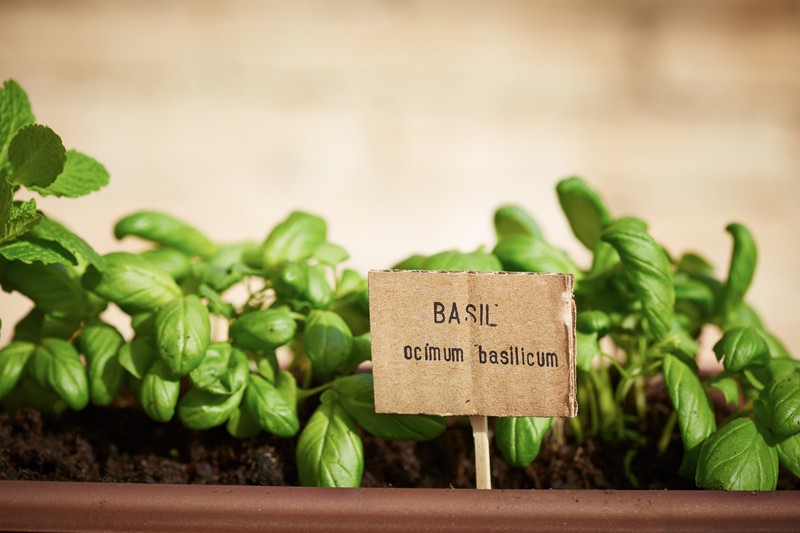
- Basil, rosemary, thyme, chives, and mint
- Tomatoes, peppers, radishes, lettuce, and chillies
- Microgreens and baby leaf mixes
Flowers and Ornamentals
- Petunias, geraniums, and marigolds
- Impatiens, begonias, and pansies
- Dwarf sunflowers and dahlias
Shrubs and Small Trees
- Dwarf conifers
- Camellias and azaleas
- Citrus, olives, and figs (dwarf varieties)
Soil and Fertilizer: The Foundation for Thriving Plants
Choosing the Right Potting Mix
Never use garden soil in containers. Instead, opt for high-quality potting mixes specially blended for pots. These mixes are:
- Free draining yet moisture retaining
- Sterile and weed-free
- Rich in organic matter
For specific plants like succulents or orchids, buy a specialist mix that matches their needs.
Feeding and Fertilizing
Container plants exhaust nutrients faster than those in the ground. Support healthy growth with:
- Slow-release granular fertilizers: Mix into the soil at planting time.
- Liquid feeds: Supplement every 2-4 weeks during growing season or as label suggests.
- Organic options: Compost teas, seaweed extract, or fish emulsion for a natural boost.
Watering: A Balancing Act
The compact environment of a pot dries out rapidly. Proper watering techniques are crucial for success:
- Check regularly: Insert a finger an inch deep; water if dry.
- Water deeply: Let it soak through to promote deep roots.
- Shield from afternoon sun: In hot climates, choose self-watering pots or move to partial shade.
Pro tip: Water early in the morning or early evening to minimize evaporation and prevent disease.
Designing Beautiful Container Displays
Transform patios or entrances with eye-catching arrangements by applying the "Thriller, Filler, Spiller" method:
- Thriller: A vertical plant for height and drama (e.g., cordyline, canna, or ornamental grass).
- Filler: Mid-height, bushy plants to bulk out the arrangement (e.g., begonias, coleus).
- Spiller: Cascading plants that drape over the pot's edge (e.g., trailing lobelia, ivy, sweet potato vine).
Consider color harmonies, foliage textures, and seasonal interest. Change displays according to the seasons for year-round appeal.
Container Plant Care and Troubleshooting
Pest and Disease Management
Regular inspection is key to healthy container plants. Treat issues early:
- Remove dead leaves and flowers promptly.
- Use organic insecticidal soap for aphids or mites.
- Maintain airflow by not overcrowding pots.
- Rotate crops each season if growing edibles.
Seasonal Challenges
Success in growing plants in containers means adapting care with the seasons:
- In winter: Move tender plants indoors. Insulate pots with bubble wrap or hessian.
- In summer: Water daily, provide shade, and mulch the soil surface.
Keep an eye out for rapid temperature changes--containers can heat up or cool down far more quickly than garden beds.
Innovative and Eco-Friendly Ideas
Upcycling for Unique Containers
Express your creativity by repurposing objects as planters:
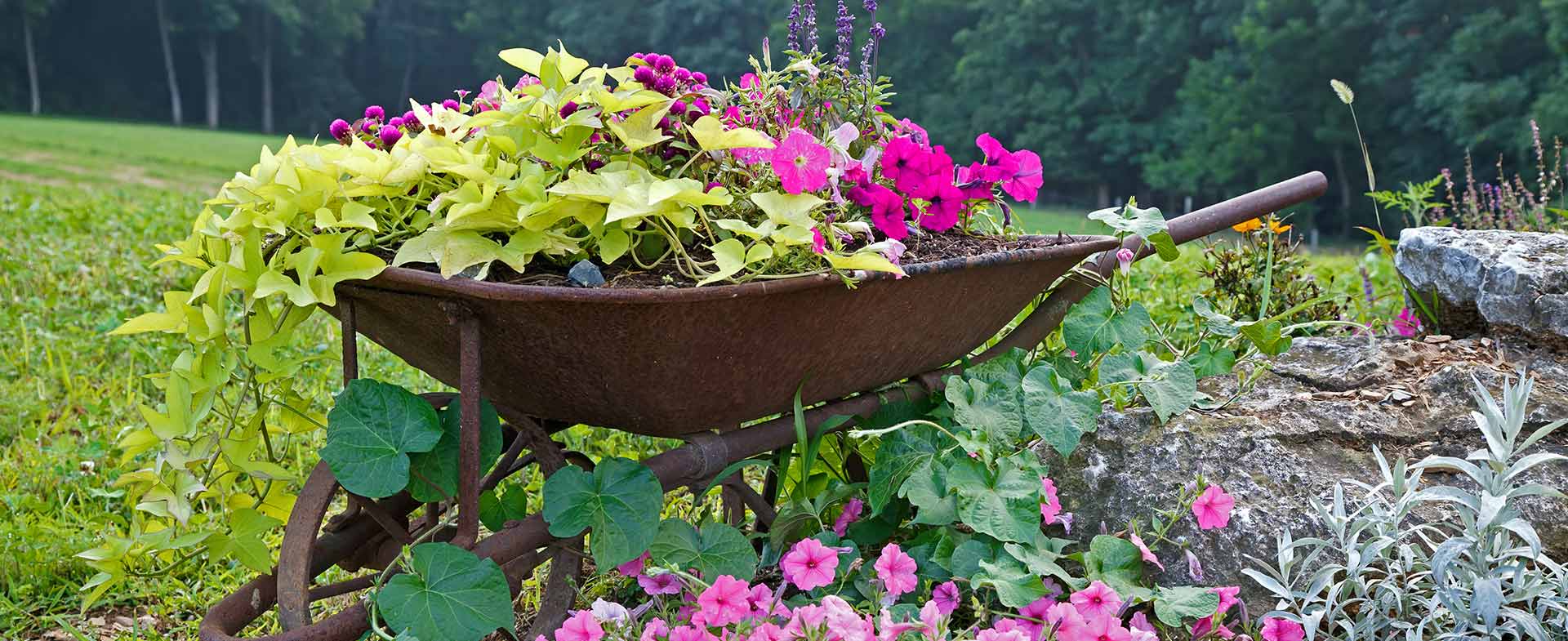
- Old boots, colanders, wheelbarrows, or wine crates
- Teacups and kitchen basins for miniatures
- Buckets, pallets, or even repurposed furniture
Just ensure each has sufficient drainage!
Self-Watering and Smart Systems
New technologies are making container gardening easier than ever:
- Self-watering pots for busy gardeners
- Automatic drip irrigation with timers
- Water reservoirs built into the base for consistent moisture
Sustainable Growing in Pots
For an eco-conscious approach:
- Use peat-free compost and organic fertilizers
- Collect rainwater for irrigation
- Grow pollinator-friendly flowers to support bees and butterflies
- Recycle plant containers
Common Questions About Container Gardening
How do I know if my container plant needs repotting?
Signs your plant has outgrown its pot include roots emerging from drainage holes, water running straight through, or visibly stunted growth. Repot into a container one size larger, trimming back roots if needed.
What are the best low-maintenance plants for containers?
Schefflera, jade plant, succulents, snake plant, and hardy herbs (rosemary, thyme) are easy-care choices for busy lifestyles.
Can I grow fruit trees in containers?
Absolutely! Choose patio fruit trees or dwarf varieties such as lemons, figs, apples, or cherries. Regular root pruning and annual feeding help maintain vigor.
How can I prevent my pots from drying out so quickly?
- Choose larger or glazed containers which retain moisture better
- Mulch the surface with pebbles or bark
- Use self-watering systems or water-retaining granules
- Group pots together for shared humidity
Getting Started: Step-by-Step for Beginners
- Choose your site: Observe where you want your container plants to go - sun, shade, or indoors.
- Select a container: Match the plant's size and drainage needs.
- Pick your plants: Research which varieties suit your conditions.
- Prepare your soil: Use a premium, well-draining potting mix.
- Plant up: Arrange roots, fill with soil leaving some space at the top, and water thoroughly.
- Maintain: Feed, water, prune, and enjoy observing your thriving container garden!
Conclusion: Cultivating Success with Containers
The art of growing plants in containers combines gardening knowledge, creativity, and adaptability. With thoughtful plant choices, well-prepared pots, and ongoing care, you can transform even the smallest urban balcony or windowsill into a lush, living oasis. Whether your aim is beauty, productivity, or therapeutic joy, container gardening puts a personal stamp on nature--right at your doorstep. Try it today and watch your passion for growing blossom!
Latest Posts
Unlock the potential of your backyard with a herb garden
Transform Your Garden with 3 Powerful Weed Control Techniques
Creative Hedge Trimming: Artistic Shapes and Precision Techniques