 020 3744 3778
Unlock the potential of your backyard with a herb garden
Posted on 03/10/2025
Unlock the Potential of Your Backyard with a Herb Garden
Imagine stepping into your backyard and being greeted by the spicy scent of basil, the zesty aroma of mint, and the woodsy freshness of rosemary. With a carefully planned herb garden, your outdoor space can become a fragrant oasis, a sustainable source of kitchen inspiration, and a beautiful, therapeutic retreat. Let's uncover how you can unlock the potential of your backyard with a thriving herb garden and enhance your everyday life.
Why Start a Backyard Herb Garden?
- Fresh Flavors at Your Fingertips: Snip sprigs of basil, thyme, or parsley whenever you need them. No more last-minute grocery runs!
- Garden Therapy: Tending to a herb garden is relaxing, reduces stress, and nurtures mindfulness.
- Insect Repellent Properties: Many herbs like lavender, mint, and rosemary help keep pests at bay, creating a more enjoyable outdoor space.
- Health Benefits: Homegrown herbs are packed with nutrients, and you know they're pesticide-free.
- Cost Savings: Cut down on grocery bills. A herb garden is an investment that keeps on giving.
Make Your Backyard Productive and Beautiful
By growing your own herbs, you not only enjoy culinary delights but also transform your backyard into an enchanting, productive landscape. A herb garden can complement flowers and vegetables, attract pollinators, and fill your space with life and color.
Planning Your Backyard Herb Garden
1. Assess Your Space
Start by evaluating your backyard. Observe sun patterns. Most herbs, including rosemary, thyme, sage, and basil, require at least 6 hours of sunlight daily. However, herbs like mint and parsley can tolerate partial shade.
- Full Sun: Oregano, lavender, basil, thyme, rosemary
- Partial Shade: Parsley, chives, cilantro, mint
- Shady Corners: Lemon balm, sweet woodruff
2. Choose Your Herb Garden Layout
- Traditional Beds: Designate a patch for planting herbs directly in the ground.
- Raised Beds: Raised garden beds offer excellent drainage and are easier on your back.
- Container Gardens: If space is limited, pot your herbs. Herb planters are ideal for patios, decks, and even balconies.
- Vertical Gardens: Install shelves or hanging planters for a lush, space-saving feature wall.
- Spiral Herb Gardens: A spiral mound maximizes space, offers different microclimates, and makes a striking centerpiece.
No matter your backyard's size, you can unlock its potential with a creative herb garden layout that suits your lifestyle and space.
3. Select Herbs for Your Backyard
Think about what you love to cook, the scents you enjoy, and the ornamental value you want in your garden. Popular backyard herbs include:
- Basil: Essential for Italian dishes, pestos, and salads.
- Mint: Fantastic in teas, cocktails, and desserts. (Tip: Grow mint in containers to prevent it from taking over!)
- Thyme: Perfect for soups, stews, and roasted meats.
- Rosemary: Aromatic and drought-tolerant. Excellent for grilling meats and potatoes.
- Cilantro: A staple in Latin American and Asian cuisine.
- Parsley: Adds a fresh kick to salads, sauces, and garnishes.
- Sage: An outstanding companion to poultry and root vegetables.
- Dill: Excellent in fish dishes, pickling, and creamy sauces.
- Chives: Mild, oniony flavor. Wonderful on baked potatoes, eggs, and soups.
- Lemongrass: Adds exotic flavor to Thai and Vietnamese recipes.
Preparing Your Soil for a Thriving Herb Garden
Soil Quality Matters
Excellent soil is the foundation of a successful herb garden. Most herbs thrive in well-drained, loamy soil rich in organic matter. Before planting:
- Test the soil pH. Most herbs prefer a slightly acidic to neutral pH (6.0-7.0).
- Amend with compost. This enriches the soil and improves drainage.
- Ensure good drainage to avoid root rot. If your backyard has heavy clay soil, add sand or use raised beds.
Tip: Group herbs with similar water and sunlight needs together for best results.
Planting Your Backyard Herb Garden
Seeds or Transplants?
You can start herbs from seeds for greater variety and affordability, or choose young plants for a faster harvest. Some herbs, such as basil, dill, and cilantro, are easily grown from seed, while others--like rosemary, thyme, and mint--are easier to establish from starter plants.
How and When to Plant
- Timing: Plant most herbs in spring after the last frost, or begin seeds indoors a few weeks prior.
- Spacing: Follow seed packet or plant label instructions. Proper spacing ensures good air circulation and healthy growth.
- Planting Depth: Sow seeds at the recommended depth. Don't bury seeds too deeply; many herbs have tiny seeds that need light to germinate.
Water gently after planting, and keep the soil consistently moist until seeds sprout or transplants establish roots.
Caring for Your Backyard Herb Garden
Watering Wisely
Most herbs prefer soil that is moist but not soggy. Overwatering is a common mistake. Let the soil surface dry between waterings.
- Mulch containers and beds to retain moisture and keep weeds down.
- Water in the morning to minimize evaporation and reduce disease risk.
Pruning and Harvesting
- Regular harvesting encourages bushier growth.
- Pinch off flower buds to prevent bolting and prolong the productive life of your herbs (especially basil, cilantro, and mint).
- Use sharp scissors or pruners to avoid damaging plants.
*Tip:* Don't be shy about harvesting--most herbs love being used! Regular use ensures flavorful, tender leaves and keeps plants healthy.
Fertilizing Your Herbs
Herbs don't need much fertilizer; too much leads to less fragrant, spindly plants. Use a balanced, organic fertilizer sparingly or mix in well-rotted compost at planting time.
Lesser-Known Herbs to Consider
To further maximize your backyard's potential with a unique herb garden, try growing some less common varieties:
- Lemon verbena: Delightfully citrus-scented for teas and desserts.
- Lovage: Tastes like celery; great in stocks and salads.
- Mexican tarragon: Subtle anise notes; lovely in poultry and vegetable dishes.
- Pineapple sage: Sweet, fruity flavor and stunning red flowers that attract hummingbirds.
- Epazote: Traditional in Mexican cuisine and excellent for bean dishes.
- Shiso: Vibrant, aromatic leaves for sushi and Asian salads.
Year-Round Herbs and Indoor Gardening
If you want to extend the growing season or continue enjoying fresh flavor in winter, bring potted herbs indoors.
- Choose compact varieties such as chives, basil, and parsley.
- Place in a sunny window, preferably south-facing. Supplement with grow lights if needed.
- Trim regularly to encourage dense, healthy growth.
Pro Tip:
Dry or freeze surplus herbs at the peak of freshness to enjoy your backyard's bounty year-round.
Organic Pest Control and Companion Planting
A well-designed herb garden not only enhances your backyard, but also benefits the overall ecosystem. Certain herbs naturally repel pests, attracting beneficial insects and supporting vegetable and flower gardens.
- Basil: Repels flies and mosquitoes.
- Mint: Deters ants, moths, aphids, and even rodents.
- Lavender: Attracts pollinators, repels fleas and moths.
- Chives: Discourage Japanese beetles and carrot flies.
Mixing herbs with vegetables or flowers creates a healthier and more beautiful garden space.
Designing for Beauty: Herb Garden Ideas for Backyards
Your backyard herb garden doesn't have to be utilitarian. Blend form and function for a space that inspires.
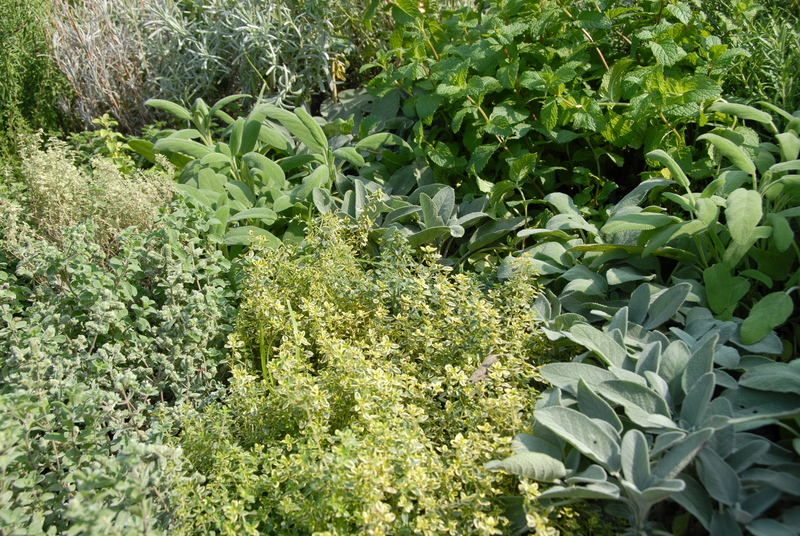
- Herb Borders: Use thyme or oregano as lush borders to garden beds or walkways.
- Knot Gardens: Create intricate designs using low-growing herbs for a classic, formal look.
- Edible Landscaping: Combine herbs with flowers, shrubs, and ornamentals for color and texture.
- Themed Garden Beds: Try a 'pizza garden' (basil, oregano, thyme, parsley) or a 'tea garden' (mint, chamomile, lemon balm).
- Fragrant Herb Pathways: Plant lemon thyme or creeping rosemary along walkways for a sensory experience.
Creative Uses for Homegrown Herbs
Unlock your backyard's full potential by using fresh herbs in more than just cooking!
- Herbal Teas: Brew soothing teas with mint, lemon balm, or chamomile.
- DIY Skincare: Use calendula and lavender for homemade creams and bath soaks.
- Aromatherapy: Hang bunches of drying herbs for natural home fragrance.
- Herb-infused Oils and Vinegars: Add basil, rosemary, or tarragon for gourmet condiments.
- Cocktail Garnishes: Elevate your drinks with fresh sprigs of mint, basil, or thyme.
Common Challenges and Easy Solutions
- Pests: Use neem oil, insecticidal soaps, or introduce beneficial insects like ladybugs.
- Overcrowding: Thin seedlings and space plants properly to prevent disease.
- Bolting: Keep cool-season herbs (cilantro, dill) shaded in hot weather and pinch off flowers promptly.
With a little care and attention, most herbs are hardy, forgiving, and perfect for gardeners of any level.
Final Thoughts: Transform Your Backyard into a Living Pantry
Whether you dream of lavish meals fresh from the garden, an eco-friendly landscape, or a private haven of fragrance and color, your backyard's hidden potential is waiting to be unlocked with a thriving herb garden.
- Start simple or get creative--all you need is a little sun, suitable soil, and a sense of adventure.
- Reap rewards from more than just a kitchen harvest. Enjoy a healthier lifestyle, a richer environment, and endless inspiration--right outside your door.
So roll up your sleeves and unlock the potential of your backyard with a herb garden--your homegrown oasis awaits!
Frequently Asked Questions (FAQ)
- Q: How much time does a backyard herb garden require?
A: Most herb gardens need about 10-30 minutes per week for watering, pruning, and harvesting. - Q: Can I grow herbs if I have only a small backyard or patio?
A: Absolutely! Many herbs thrive in pots, containers, and vertical planters. - Q: Is it better to start herbs indoors or outdoors?
A: Hardy herbs can be direct-sown outdoors after frost, while tender varieties can start indoors and transplant later for a head start. - Q: Which herbs are easiest for beginners?
A: Basil, mint, chives, oregano, and parsley are all low-maintenance choices ideal for new gardeners.
Unlock the potential of your backyard with an herb garden--and discover just how rewarding homegrown flavor, beauty, and wellness can be!
Latest Posts
Unlock the potential of your backyard with a herb garden
Transform Your Garden with 3 Powerful Weed Control Techniques
Creative Hedge Trimming: Artistic Shapes and Precision Techniques