 020 3744 3778
Must-Have Garden Tools for Nature Lovers
Posted on 16/09/2025
Must-Have Garden Tools for Nature Lovers: The Ultimate Guide
Gardening is more than just a hobby; it's a way of connecting with nature, promoting wellness, and creating a beautiful natural space to unwind. Whether you are an experienced horticulturist or someone just starting your gardening journey, having the right gardening tools makes all the difference. In this comprehensive guide, we will explore the must-have garden tools for nature lovers--essentials that will enhance your gardening experience and invite your inner green thumb to flourish.
Why Investing in Quality Garden Tools Matters
Growing a garden involves varying tasks, from planting delicate seeds to trimming sturdy branches. High-quality gardening equipment ensures efficiency, prevents injuries, and allows you to work longer without fatigue. Whether you maintain a vegetable patch, flower bed, or landscape, the right gardening tools are the backbone of every successful project.

Essential Gardening Tools for Every Nature Lover
Below, we outline the most indispensable garden tools every nature enthusiast should own. Each tool is essential for maintaining healthy, lustrous plants and making gardening tasks more enjoyable and efficient.
1. Hand Trowel: The Gardener's Best Friend
- Use: Ideal for digging, transplanting, and planting bulbs or seedlings.
- Why You Need It: A hand trowel is essential for working in confined spaces, potting, and transferring soil. Opt for a sturdy, rust-resistant model with an ergonomic handle for comfortable, prolonged use.
- Pro Tip: Stainless steel trowels last longer and resist corrosion better than aluminum or plastic alternatives.
2. Pruning Shears: Precision Cutting for Healthy Growth
- Use: Cutting stems, shaping shrubs, removing dead or damaged foliage.
- Why You Need It: Sharp pruning shears are vital for encouraging robust growth by allowing clean cuts that prevent plant stress and disease. Choose bypass shears for live plants and anvil-style for pruning dead wood.
- Consider shears with a safety lock and comfortable grip for added control and safety.
3. Garden Gloves: Protect Your Hands
- Use: Shielding hands from thorns, dirt, and irritants.
- Why You Need It: Gardening gloves offer comfort, grip, and protection from splinters, blisters, and insect bites. Look for gloves made from breathable yet durable material--as well as water resistance for wet tasks.
- Tip: Choose fitted gloves for detail work, and thicker varieties for handling rough debris or prickly plants.
4. Garden Fork: Aerate and Turn the Soil
- Use: Loosening soil, breaking up clumps, and turning compost.
- Why You Need It: A robust garden fork penetrates tough, compacted earth better than a shovel. It's also excellent for mixing amendments and aerating roots for improved plant health.
- A fork with sharp tines and a strong handle ensures longevity and efficiency.
5. Watering Can: Keep Your Plants Hydrated
- Use: Direct and uniform watering, especially delicate plants.
- Why You Need It: A watering can offers unrivaled control versus hoses, allowing gentle distribution of water. Choose one with a detachable spout and balanced grip for convenience.
- Eco-Friendly Option: Opt for metal cans for durability or BPA-free plastic for lightweight use.
6. Spade: An Indispensable Digging Tool
- Use: Digging holes, edging borders, and lifting sod.
- Why You Need It: With a sharp, flat blade, a garden spade is perfect for precision work, such as shaping beds or dividing perennials. Look for stainless or carbon steel bladed spades with sturdy handles.
- A D-shaped handle ensures better grip and easier maneuverability.
7. Garden Hoe: Weed Out the Unwanted
- Use: Breaking up soil, clearing weeds, and cultivating rows.
- Why You Need It: With a garden hoe, tackling hardened soil and weeds is quick and efficient. For vegetable gardening, a hoe helps create trenches and ridges for sowing seeds.
- Note: A sharp, lightweight hoe will minimize strain on wrists and arms.
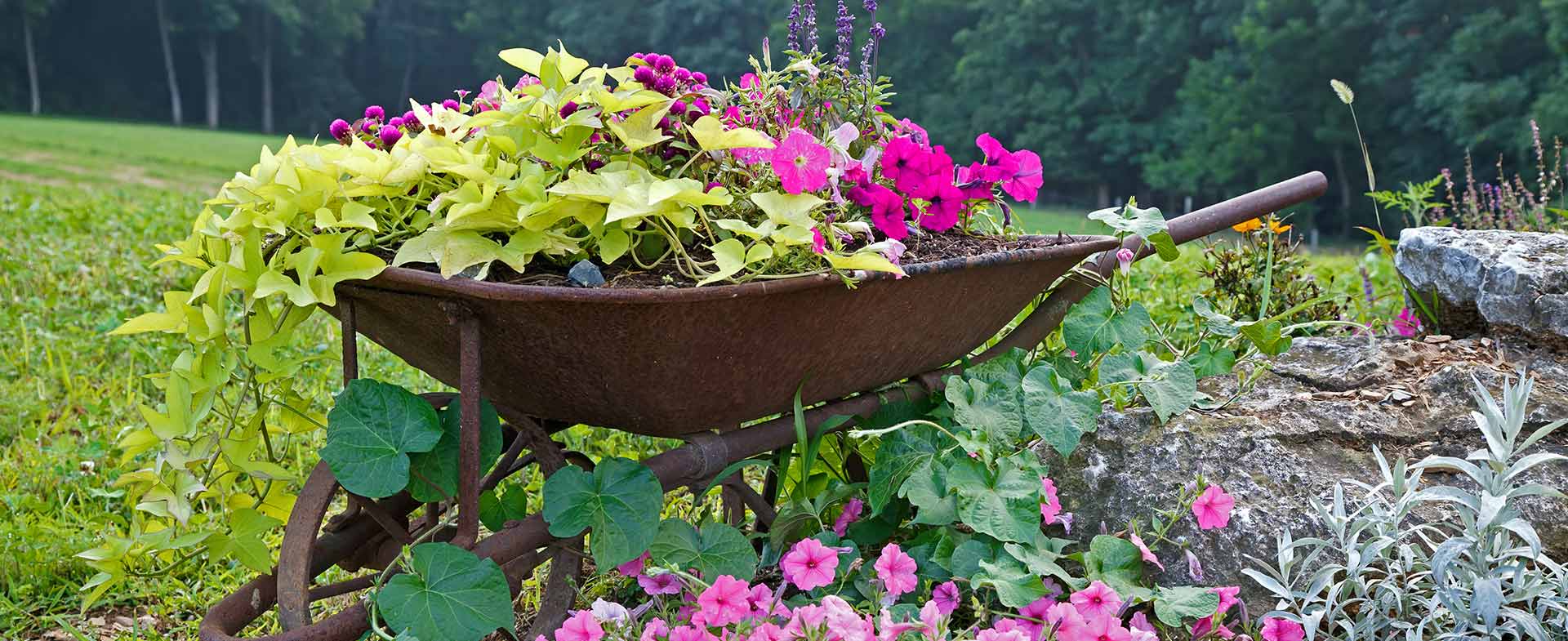
8. Wheelbarrow: Move More, Effortlessly
- Use: Transporting soil, plants, mulch, and debris around the garden.
- Why You Need It: A sturdy wheelbarrow saves time and effort, preventing back strain. Modern wheelbarrows feature rust-resistant materials and easy-turn wheels for added convenience.
- Tip: Choose the appropriate size for your garden and your physical capacity to avoid overloading.
9. Garden Rake: Smooth, Level, and Clean
- Use: Leveling soil, spreading mulch, and removing leaves or debris.
- Why You Need It: With its long tines, a garden rake makes smoothing beds and clearing up faster and more efficient.
- Varieties: Opt for a leaf rake for lightweight material, or a bow rake for heavy-duty soil work.
10. Garden Kneeler or Pad: Comfort for Your Knees
- Use: Preventing knee pain and discomfort during prolonged work at ground level.
- Why You Need It: Soft, cushioned kneelers protect your joints and reduce fatigue, making tasks like planting and weeding more comfortable. Folding garden kneelers can also double as a portable seat.
- Pro Tip: Waterproof kneelers are easy to clean and can be left outside without damage.
Add-On Garden Tools for the Well-Equipped Nature Lover
Once you've acquired the core essential gardening tools, consider these add-ons to elevate your gardening experience:
- Soil Test Kit: Understand your garden's pH and nutrient levels for optimal plant health.
- Gardener's Tool Belt: Keep your hand tools and accessories organized and easily accessible.
- Pruning Saw: For tackling thicker branches that shears can't handle.
- Plant Labels: Keep track of species, planting dates, and fertilization schedules.
- Garden Scissors: For harvesting herbs, trimming delicate stems, and deadheading flowers.
- Multi-Function Tool Sharpeners: Maintain your blades for clean, efficient cuts and safer gardening.
- Irrigation Timers: Automate watering routines and conserve valuable resources.
Tips for Choosing the Best Garden Tools for Your Needs
Every garden and gardener is unique--so is your choice of essential gardening equipment. Here are a few tips:
- Prioritize comfort: Ergonomic handles prevent strain and fatigue.
- Opt for durability: Tools made from stainless steel or carbon steel last longer and perform better.
- Select for effectiveness: Pick the right size and model for each specific task.
- Check maintenance needs: Choose tools that are easy to clean and store to maximize longevity.
- Read reviews: Leverage other gardeners' experiences for real-world insights before purchasing.
How to Maintain Your Essential Gardening Tools
If you want your must-have garden tools to serve you for years, regular maintenance is a must. Here's how to keep your gardening essentials in peak condition:
- Clean After Use: Remove soil, debris, and moisture from tool surfaces to prevent rust and corrosion.
- Sharpen Blades: Maintain the cutting edges of pruners, shears, and hoes for safe, effective work.
- Oil Moving Parts: Keep hinges and joints lubricated to ensure smooth operation.
- Store Properly: Hang tools or keep them in a dry, covered area to avoid moisture damage.
- Inspect Regularly: Check handles and fasteners for cracks or looseness, and tighten or replace as necessary.
Frequently Asked Questions About Gardening Tools
What basic tools should every gardener have?
Every gardener should start with a high-quality hand trowel, pruning shears, gloves, a spade, and a watering can. These essential gardening tools enable you to handle core tasks like planting, watering, pruning, and soil management.
How do I choose the right garden tool size?
Select tools that feel comfortable in hand and match the scale of your garden. Larger, heavier tools may suit open spaces, while smaller, lighter ones are best for containers or raised beds.
Is it worth investing in more expensive garden tools?
In most cases, paying more for higher-quality, durable tools pays off in the long run. Premium materials and ergonomic designs reduce fatigue and deliver better results, improving your overall gardening experience.
What's the best way to store garden tools?
Store tools in a dry, sheltered location. Use racks, hooks, or a dedicated garden shed to prevent rust and handle damage. Regular maintenance before storage further extends tool life.
Conclusion: Grow Your Passion with the Right Garden Tools
Nature lovers know that gardening is a lifelong journey of learning, nurturing, and enjoying the outdoors. Having the best garden tools transforms chores into joy, maximizes productivity, and helps create a thriving, beautiful outdoor sanctuary. By investing in these must-have garden tools for nature lovers, you'll set yourself up for countless seasons of success and satisfaction. So, gear up, get your hands in the soil, and let your garden--and your connection with nature--blossom.
Latest Posts
Unlock the potential of your backyard with a herb garden
Transform Your Garden with 3 Powerful Weed Control Techniques
Creative Hedge Trimming: Artistic Shapes and Precision Techniques